Skip to content
Login
Document Cluster 1 · Understanding the Challenge Learning path · Step 4 Dec 1, 2025

Learning order 4: Climate Risk and Vulnerability Assessment

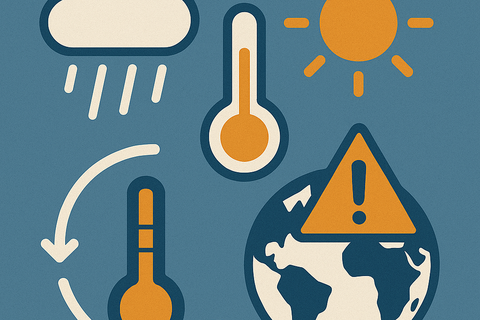
Training unit providing a structured overview of the climate system (atmosphere, oceans, cryosphere, biosphere and geosphere), climate variability and climate change, and the role of the IPCC and UNFCCC. It introduces hydrometeorological hazards in Africa, explains the IPCC AR6 risk concept, and describes how to assess climate risks, vulnerabilities, and adaptation and mitigation needs and prioritize options.

Climate finance landscape Climate rationale Academia/Research Government Multilateral/Donor Africa English

If the viewer does not load, you can download the PDF here .

Apply it: recommended tools

Use these decision-support tools and notebooks to put this module into practice and gather evidence for your proposal.

Learning sequence

Step 4

Related resources

Similar content based on shared topics and themes.

Aligning National Policies & Priorities Document Featured

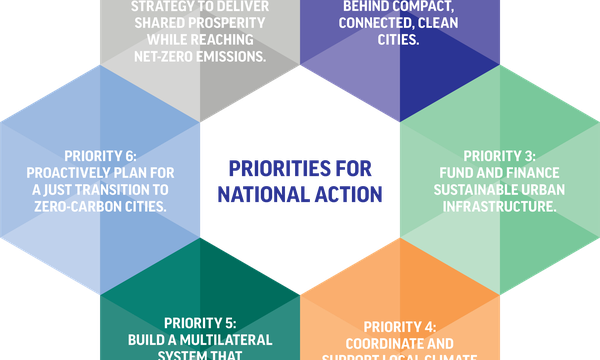
Learning order 2: Aligning National Policies and Priorities

Climate rationale EN
Apr 15, 2026 View →
markets Document Featured

Learning order 12: Climate and ESG in Emerging Markets

This training presentation explores how climate change connects with Environmental, Social, and Governance (ESG) factors in emerging markets. It explains key concepts such as climate intelligence, sustainable investing, and climate-related risks and opportunities, with a particular focus on agriculture and the Sahel region. Through case studies, it shows how integrating climate data into ESG strategies can strengthen resilience, attract sustainable investment, and support long-term value creation in Sub-Saharan Africa.

Climate finance landscape EN
Dec 15, 2025 View →
business Document Featured

Learning order 13: Innovative Business Model Concepts and Frameworks for Climate Entrepreneurship & Innovation

This training resource introduces innovative business model concepts and frameworks for driving climate entrepreneurship and climate-smart innovation in the agriculture sector. It covers the fundamental elements of the Business Model Canvas and Value Proposition Canvas and applies these tools to climate-smart agriculture, agritech, and emerging climate finance markets.The resource explains how shifting market dynamics, climate risks, digital transformation, and sustainability requirements create opportunities for new business models in agriculture. Using practical examples and case studies, it explores customer needs, value propositions, channels, relationships, revenue models, partnerships, and cost structures tailored for climate-resilient agribusiness development.

Climate finance landscape EN
Dec 15, 2025 View →

Partners